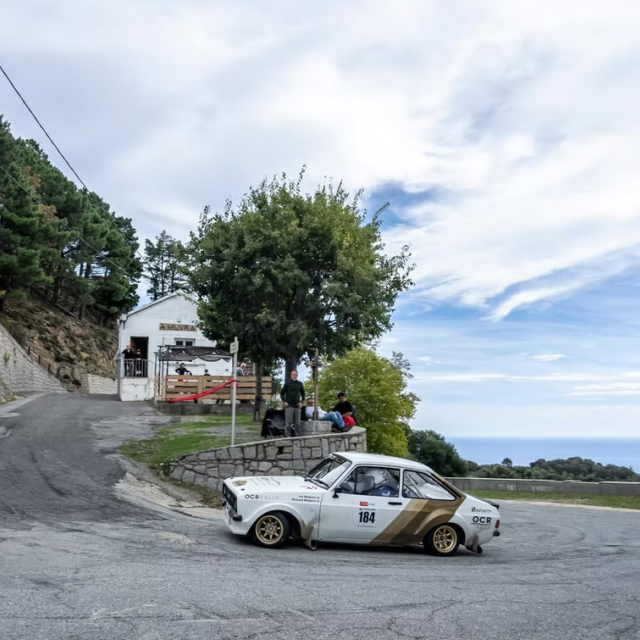
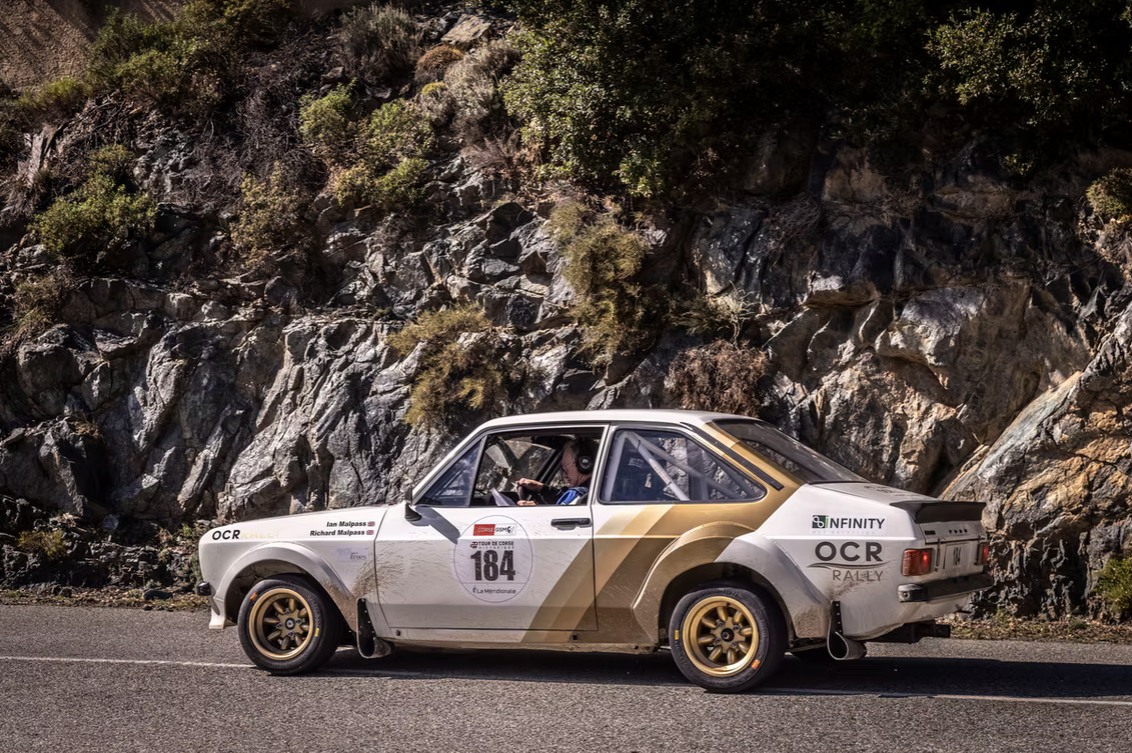
In period, the MK2 Ford Escort was one of the most important and successful rally cars ever to enter the rally scene. Initially it was more of a reincarnation of the already successful MK1, with most of the modifications being aesthetic. As time moved on the vehicle was developed further and soon became one of the most successful and dependable rally cars of its era.
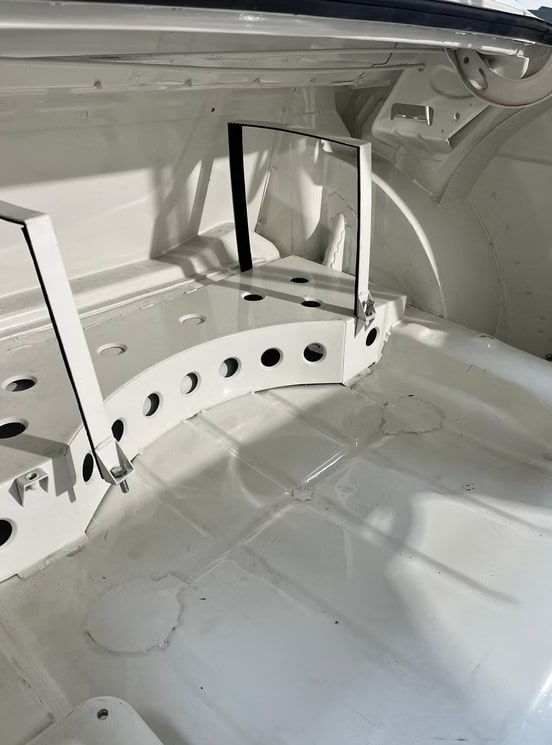
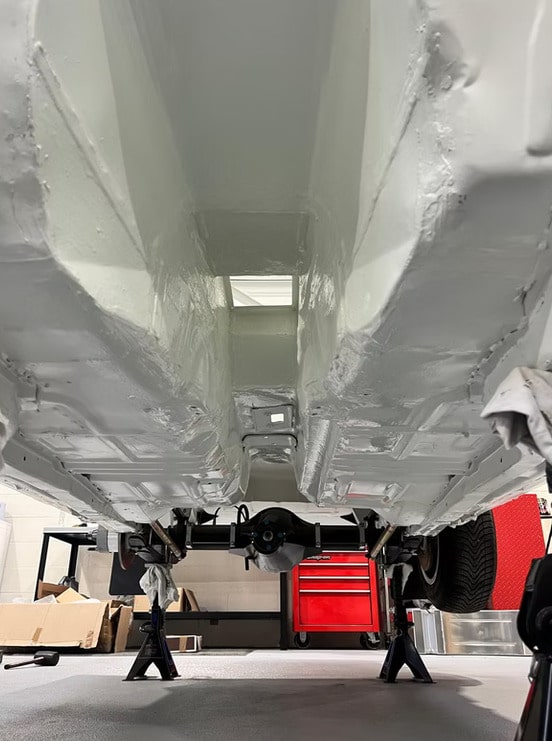
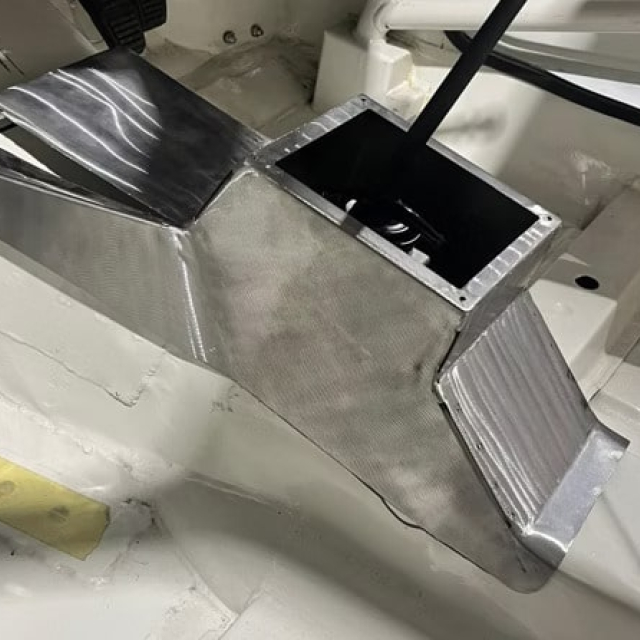
The start of the project centred around finding a suitable bodyshell capable of withstanding the stresses and strains of rallying. To comply with regulations, a suitable roll cage would need to be installed along with the necessary body strengthening. Furthermore, modifications would need to be carried out to provide mounts for the four-link rear suspension, as well as a fuel tank mount, dry sump tank mount, and gearbox tunnel turret cover to name but a few items, the list goes on including larger wheel wells, competition radiator mount etc. Many hours were spent pouring over regulations to ensure items like the transmission tunnel were correct to historic specification, as the standard tunnel would not allow fitment of the ZF gearbox which would eventually be fitted.


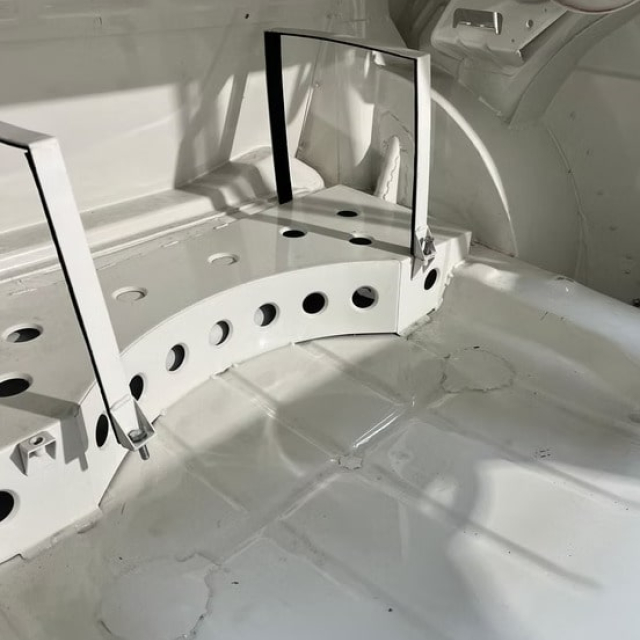
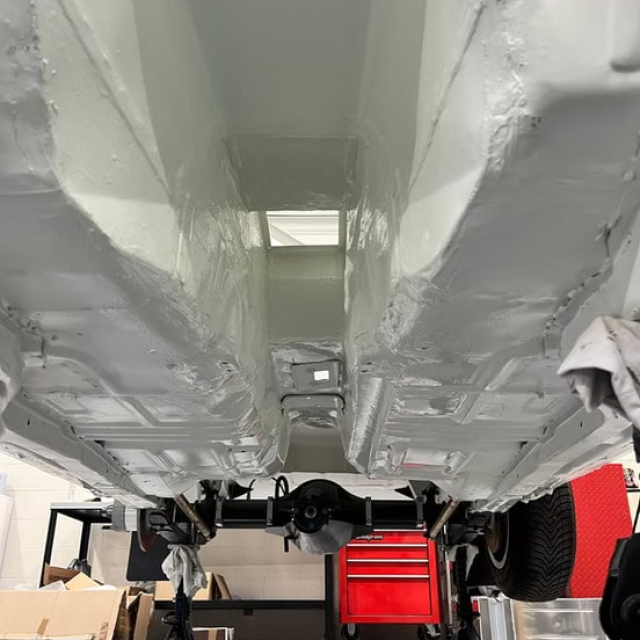


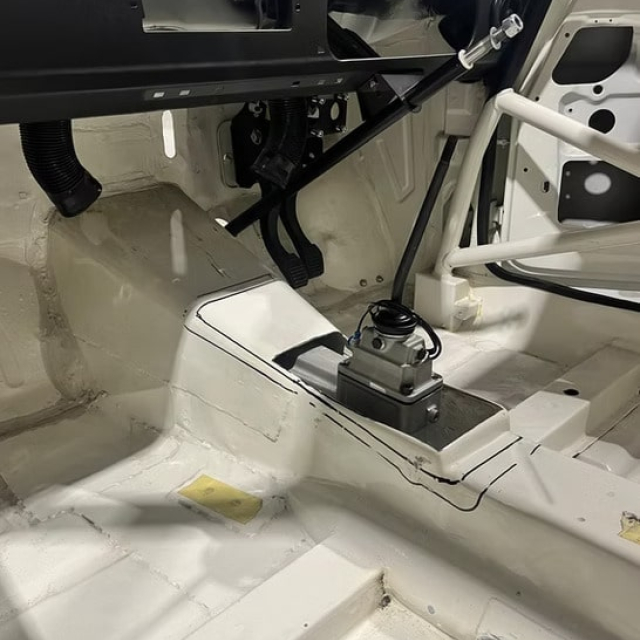


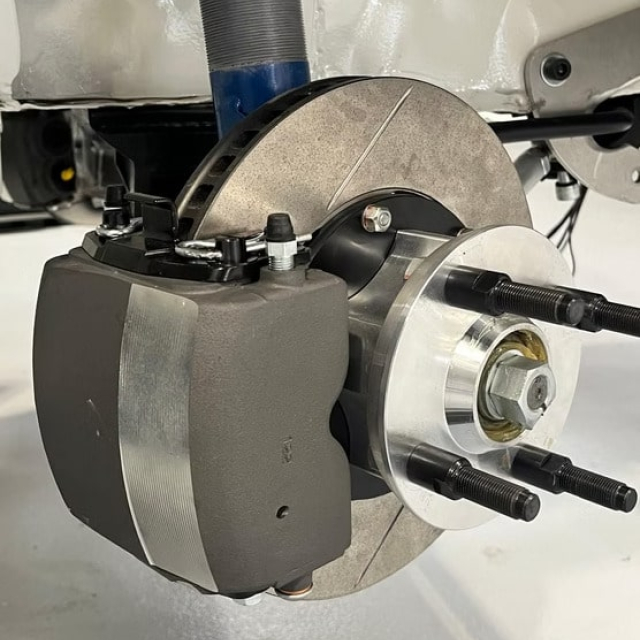

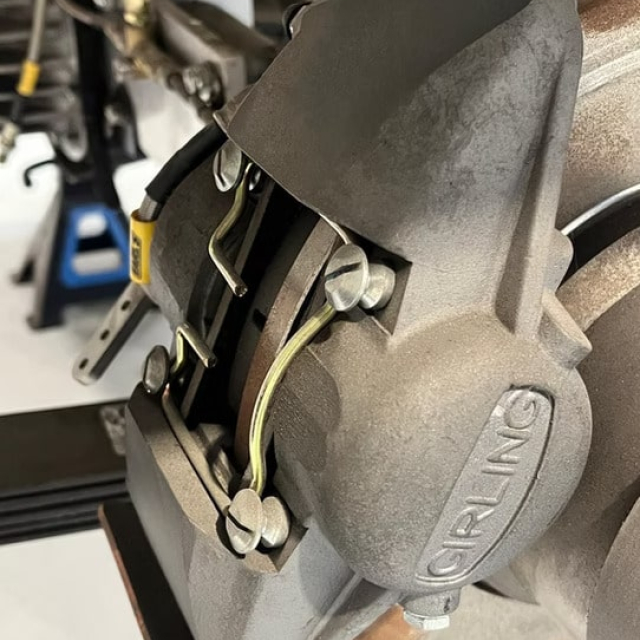
With the fabrication work complete the vehicle body was finished in white, the shell now forming the perfect blank canvas with which to build the ultimate rally car. The competition rear axle was installed along with the new four link rear suspension. The new fully adjustable competition front suspension was also installed to get the body shell mobile again. The vehicle is being built mainly for tarmac rallying so all the initial items being installed have been sourced with that in mind. Larger bearing competition front hubs are an absolute must as the stresses and strains put through these cars far exceeds the original bearings capabilities. Larger uprated brakes have been provided giving the vehicle the stopping power it’s going to require once its performance BDG engine is installed.


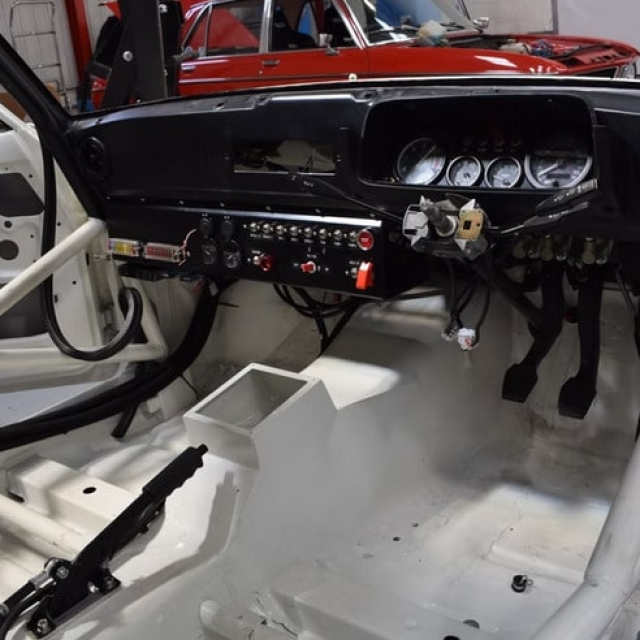

Work continues with the installation of all the necessary systems. The hydraulic handbrake, brake and clutch reservoirs along with all of the associated pipework completes the braking system. The fuel tank, filler neck, fuel pumps and pipework soon follow and are installed neatly with consideration toward serviceability. The fire extinguisher is mounted in the rear of the passenger cell with several nozzles situated under the dash as well as the engine bay, safety is of the upmost importance on competition vehicles. Moving onto the vehicle’s dashboard, the gauge panel is mounted utilising parts of the original binnacle which maintains that escort feel, the gauges are all modern utilising electronic pick-ups and will be far more accurate than the period equivalent. The dash is completed with a drop-down panel that encompasses all of the switch gear along with the fuse boxes. On the exterior, we add a new grill which beautifully frames the front of the vehicle immediately evoking all the memories of these vehicles tearing up roads and rutted tracks of the years gone by. And then, finally, the engine arrives…
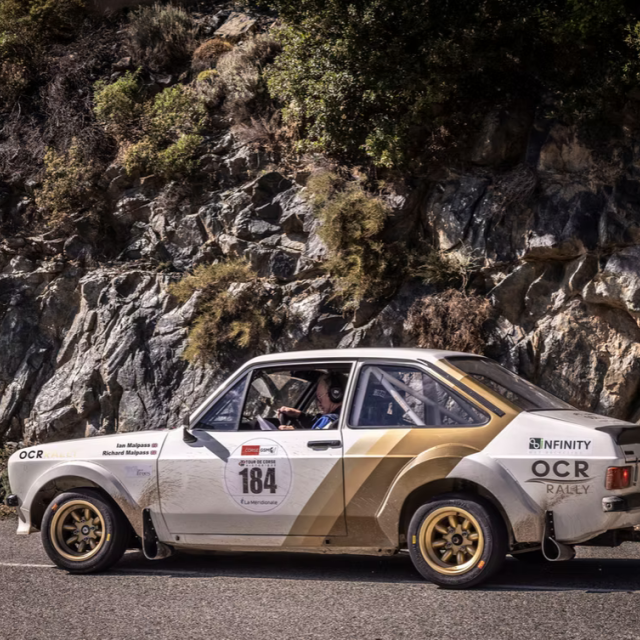
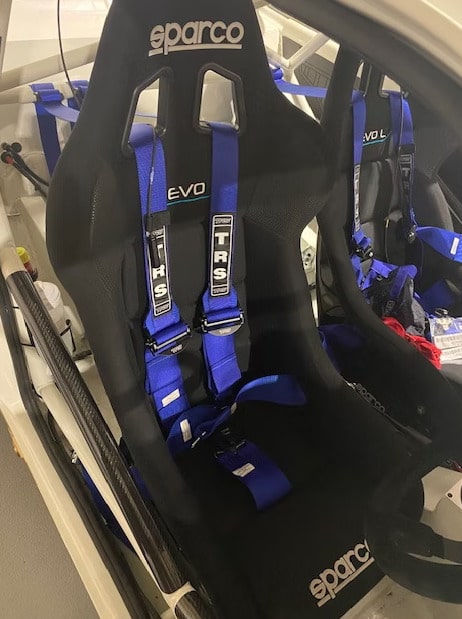
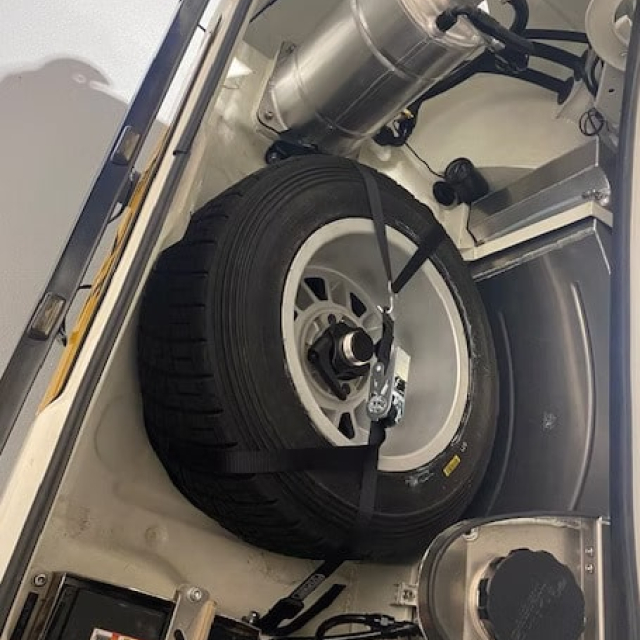
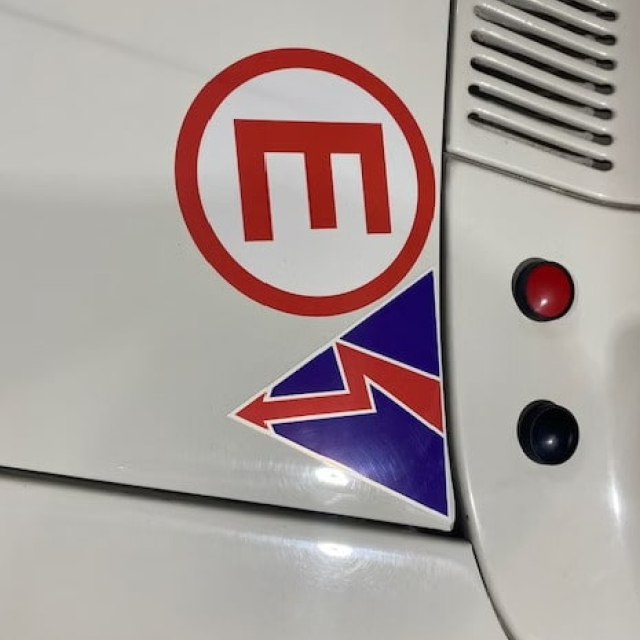
The engine was mated to the homologated ZF gearbox prior to being installed to the vehicle. With the engine in situ, we could complete the oil and cooling systems. The exhaust manifold was ceramic coated prior to installation in a bid to keep engine bay heat down, the remainder of the exhaust system required slight modification to ensure the perfect and safest route under the vehicle was utilised. With the engine installation all but complete our attention returned to the interior. The seats and harnesses received their final fitment. Trip equipment, the map light and map pocket all helped to build up the navigators’ side of the cabin as the vehicle takes shape. On the exterior, bonnet pins were added along with the all-import decals for fire extinguisher and electrical cut off. In the boot we secured the jack and added a spare wheel holder. Period FORD and ESCORT badges on the boot lid perfectly capture the era of the vehicle and look incredible against the white bodywork. Three stylish gold panels were painted diagonally down from the rear window as OCR Rally paid tribute to one of the Escort rally paintwork designs of the period, adding our own spin on it in the process. Further decals were added around the vehicle to complete the rally aesthetic tipped off by finally fitting the vehicles beautiful gold wheels.





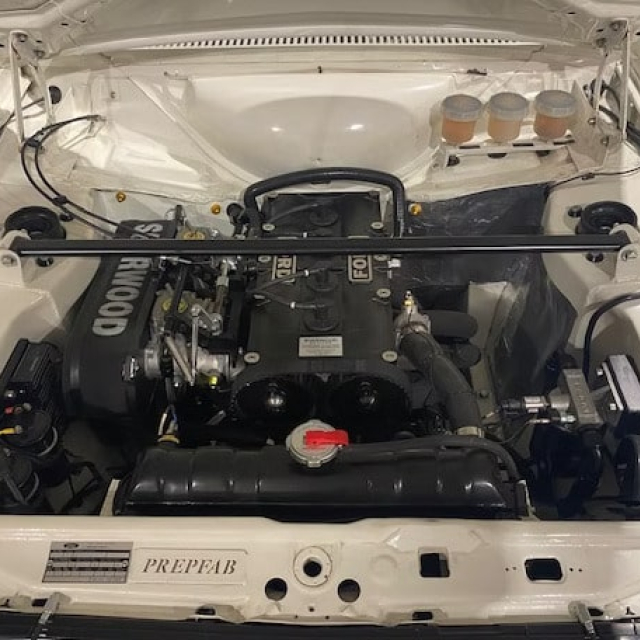


After bleeding the oil round the dry sump system and achieving oil pressure, the fuel tank was filled taking time to calibrate the fuel gauge as part of the process. The ignition was turned on and the fuel pressure was set. With the start button now glowing red we took one final moment to have a quick check round the engine bay before pressing the BIG RED BUTTON. The engine cranked and fired almost immediately, much to the excitement of those in attendance. One final adjustment of the geometry set us up nicely for a period of testing and further adjustments prior to vehicles first shake down/test session, at the Bicester heritage test track…